

 MetaMind Edition
Boost Your Self-Esteem: 7 Daily Habits to Feel Confident and Empowered
Introduction:
Self-esteem is a crucial aspect of our overall well-being. It affects how we perceive ourselves and navigate through life. With healthy self-esteem, we feel confident, empowered, and capable of achieving our goals. However, low self-esteem can hinder our personal growth, relationships, and success. The good news is that there are simple daily habits you can incorporate into your life to boost your self-esteem and cultivate a positive mindset. In this article, we will explore seven essential habits that will help you feel more confident and empowered.
Heading 1: Practice Self-Care
Taking care of yourself physically, mentally, and emotionally is an important habit that nurtures self-esteem. Make sure to prioritize regular exercise, eat nutritious meals, and get enough sleep. Treat yourself with kindness and indulge in activities that bring you joy. Engaging in self-care practices will not only improve your overall health but also strengthen your belief in yourself.
Heading 2: Challenge Negative Thoughts
Negative self-talk can significantly impact your self-esteem. It is important to challenge and replace negative thoughts with positive ones. Start by becoming aware of your negative self-talk patterns and replacing them with empowering affirmations. For example, instead of saying, « I can’t do this, » reframe it as « I am capable of overcoming challenges. » By consciously choosing positive thoughts, you can rewire your brain and build a more optimistic outlook on life.
Heading 3: Set Realistic Goals
Setting realistic and achievable goals is key to boosting your self-esteem. Break down larger goals into smaller, manageable tasks. Celebrate each milestone you reach, and acknowledge your progress along the way. By accomplishing small goals consistently, you’ll witness your self-esteem grow as you realize your ability to achieve anything you set your mind to.
Heading 4: Surround Yourself with Positive People
Surrounding yourself with positive and supportive individuals can have a significant impact on your self-esteem. Build relationships with people who empower and uplift you, and distance yourself from negative influences. Positive interactions and support from loved ones can bolster your self-belief and encourage you to pursue your dreams.
Heading 5: Practice Gratitude
Practicing gratitude is a powerful habit that can transform your perspective on life. Take a few minutes each day to reflect on the things you are grateful for. By focusing on the positive aspects of your life, you cultivate a sense of appreciation and self-worth. Gratitude allows you to shift your focus away from self-doubt and instead cultivate a positive mindset.
Heading 6: Step Out of Your Comfort Zone
Stepping out of your comfort zone and embracing new challenges can work wonders for your self-esteem. Pushing your boundaries and taking risks allows you to discover your limitless potential. Each time you overcome a fear or achieve something outside your comfort zone, your confidence and self-esteem soar. Embrace new opportunities for personal growth and welcome the unknown with open arms.
Heading 7: Practice Self-Compassion
Being kind and forgiving to yourself is vital for building self-esteem. Treat yourself like you would treat a dear friend—with compassion and understanding. Accept that making mistakes is a natural part of life and an opportunity for growth. Be patient with yourself, and remind yourself that you are enough. Embracing self-compassion allows you to build resilience and bounce back from setbacks.
FAQs:
Q1: How long does it take to see a boost in self-esteem?
A1: Building self-esteem is an ongoing process that takes time and consistency. While some habits can bring immediate relief, it generally takes a few weeks or months of practice to see significant changes in self-esteem levels.
Q2: Can therapy help with self-esteem issues?
A2: Yes, therapy can be a valuable tool for addressing and resolving self-esteem issues. Talking to a professional therapist can provide guidance, support, and strategies tailored to your specific needs.
Q3: Are there any self-help books that can assist with boosting self-esteem?
A3: Yes, several self-help books focus on building self-esteem. Some popular recommendations include « The Six Pillars of Self-Esteem » by Nathaniel Branden and « The Gifts of Imperfection » by Brené Brown.
Q4: What role does self-acceptance play in self-esteem?
A4: Self-acceptance is essential for healthy self-esteem. Embracing who you truly are, flaws and all, fosters a deeper sense of self-worth and confidence. Accepting and loving yourself unconditionally empowers you to embrace your unique qualities and strengths.
Q5: Can meditation help improve self-esteem?
A5: Yes, meditation can be a powerful tool for improving self-esteem. Regular meditation practice promotes self-awareness, reduces stress, and cultivates a positive mindset. It allows you to observe your thoughts without judgment, enabling you to let go of negative self-talk and build a stronger self-image.
Conclusion:
Boosting your self-esteem is a transformative journey that requires dedication and practice. By incorporating these seven daily habits into your life—practicing self-care, challenging negative thoughts, setting realistic goals, surrounding yourself with positive people, practicing gratitude, stepping out of your comfort zone, and practicing self-compassion—you will gradually build a solid foundation of confidence and empowerment. Remember, self-esteem is not achieved overnight; it is a lifelong commitment to yourself. Embrace this journey with an open heart and mind, and watch how your self-esteem flourishes.

Il était une dernière fois: Elle avait tout prévu. La vie en a décidé autrement.
20,00 € (as of 17 octobre 2026 06:41 GMT +02:00 - Plus d’infosLes prix et la disponibilité des produits sont exacts à la date/heure indiquée et sont susceptibles d'être modifiés. Toute information relative au prix et à la disponibilité affichée sur [le(s) site(s) Amazon concerné(s), le cas échéant] au moment de l'achat s'appliquera à l'achat de ce produit.)
LÂCHER PRISE: Cesse de Ressasser le Passé et Commence à Vivre le Présent Avec Plus de Sérénité. Découvre le Secret Pour Retrouver Enfin ta Paix Intérieure et Apprends à ne Plus Trop Penser
14,90 € (as of 17 octobre 2026 06:41 GMT +02:00 - Plus d’infosLes prix et la disponibilité des produits sont exacts à la date/heure indiquée et sont susceptibles d'être modifiés. Toute information relative au prix et à la disponibilité affichée sur [le(s) site(s) Amazon concerné(s), le cas échéant] au moment de l'achat s'appliquera à l'achat de ce produit.)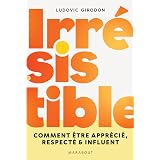
Irrésistible: Comment être apprécié, respecté et influent
12,99 € (as of 17 octobre 2026 06:41 GMT +02:00 - Plus d’infosLes prix et la disponibilité des produits sont exacts à la date/heure indiquée et sont susceptibles d'être modifiés. Toute information relative au prix et à la disponibilité affichée sur [le(s) site(s) Amazon concerné(s), le cas échéant] au moment de l'achat s'appliquera à l'achat de ce produit.)